Smart Video IP Phones: The 2026 Guide for Modern Teams
Smart video IP phones have moved from a luxury to a genuine productivity tool in 2026. When a conversation needs a face, a shared screen, or a quick visual check, a dedicated video desk phone beats fumbling with a laptop and a webcam. This guide explains what a smart video phone does, where it shines, and how to pick one that earns its place on the desk.
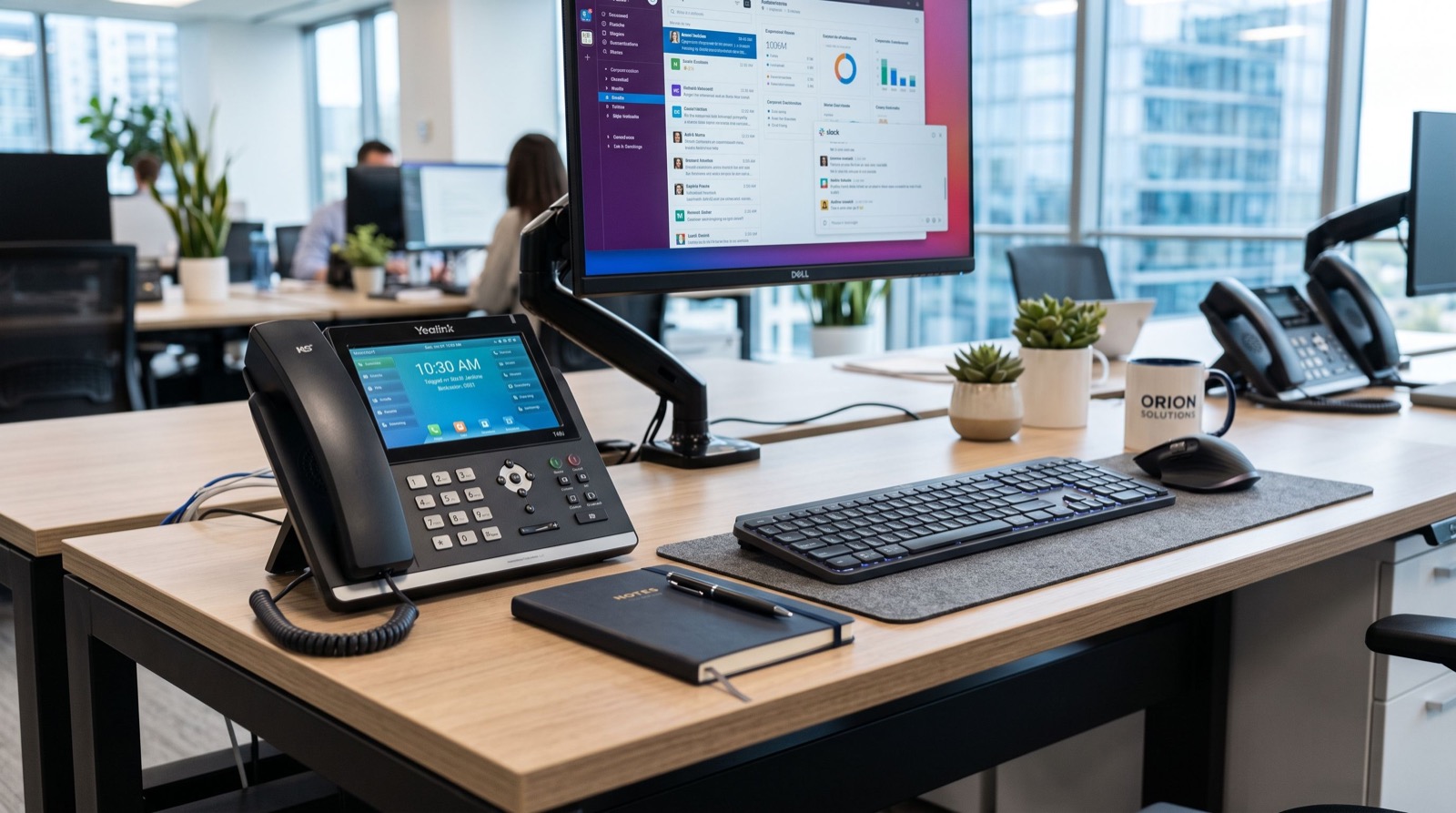
At their core, these devices combine a high-quality desk phone with a built-in or attachable camera, a large touchscreen, and Android-style apps. The result is a single endpoint for voice, video, and collaboration that is always on and always ready, without the boot-up delay of a computer.
Why Choose a Smart Video Phone Over a Webcam Setup
Laptops and webcams work, but they are not purpose-built for calls. A smart video phone wakes instantly, keeps a consistent camera angle, and never competes with the dozen browser tabs that slow a computer down. For executives and front-desk staff, that reliability is the whole point.
A flagship device such as the Fanvil V67 Flagship Smart Video Phone pairs a large touchscreen with a sharp camera and an open app platform. That combination lets you place an HD video call, join a conference, and run business apps from one tidy device on the desk.
Standout Benefits in Daily Use
- Instant-on video without waking a computer.
- A fixed, flattering camera angle for a professional look.
- A large touchscreen for easy dialing and app access.
- Consistent audio from a device tuned for voice.
- Desk space freed up from tangled webcam cables.
Key Specifications to Weigh Before Buying
Video quality starts with the camera and the screen. Look for an HD camera with good low-light handling, since office lighting is rarely perfect. A larger, higher-resolution touchscreen makes menus, contacts, and video feeds far easier to use throughout the day.
Processing power and the software platform matter just as much. A smart phone running a modern Android base can host collaboration apps, which turns the device into a flexible endpoint rather than a fixed-function phone. Check how the vendor delivers updates so the platform stays current.
Smart Video Phone Comparison
| Specification | Standard Video Phone | Flagship Smart Video Phone |
|---|---|---|
| Display | Small color screen | Large HD touchscreen |
| Camera | Basic, fixed | HD with low-light support |
| Platform | Closed firmware | Open Android-based apps |
| Conferencing | Audio focused | Full HD video conferencing |
| Connectivity | Ethernet | Gigabit ethernet, Wi-Fi, Bluetooth |
Connectivity rounds out the picture. Gigabit ethernet keeps video smooth, while built-in Wi-Fi and Bluetooth add flexibility for headsets and wireless networks. The more connection options a device offers, the easier it fits into a real office.
How Much Bandwidth Does a Video IP Phone Need?
Video calls consume more bandwidth than voice, so planning matters. A single HD video call typically uses between one and two megabits per second in each direction. Multiply that by the number of simultaneous callers to size your internet link correctly.
Quality of Service settings protect those calls when the network gets busy. Prioritize real-time media so a large file download never freezes a video meeting. Broadband performance data published by regulators such as the Federal Communications Commission helps teams understand realistic throughput when they plan capacity.
Lighting and Positioning Tips
Place the phone so the camera faces a well-lit area, not a bright window behind the speaker. Backlight turns faces into silhouettes and undermines the whole point of video. A simple desk lamp in front of the user does wonders for on-screen clarity.
Privacy, Security, and Compliance
A camera on the desk raises fair questions about privacy. Choose a device with a physical shutter or a clear mute indicator so users control when they are seen. Train staff to recognize the on-air status at a glance.
Security basics still apply. Keep firmware current, segment voice and video traffic on a dedicated network, and use encrypted signaling. Guidance on protecting collaboration tools from the Cybersecurity and Infrastructure Security Agency maps neatly onto video phone deployments.
Where to Buy and How to Get Support
Genuine hardware and real support make the difference between a smooth rollout and a headache. Sourcing the Best IP Phones in Karachi through an authorized distributor gets you valid warranty, firmware updates, and provisioning help tailored to your PBX.
If your team prefers a managed rollout, engaging dependable specialists covers planning, installation, and staff training in one go. A capable partner documents the setup so your in-house team can maintain it with confidence.
Ask any supplier how they handle firmware, warranty claims, and future expansion before you buy. Clear, confident answers signal a vendor who will still be helpful a year after the sale.
Real-World Use Cases That Justify the Upgrade
Smart video phones earn their keep in specific, repeatable situations. Front-desk staff can verify a visitor on video before granting access, which adds a simple layer of security. Managers running daily stand-ups skip the laptop entirely and start a call with one tap.
Customer-facing teams gain the most. A quick face-to-face conversation builds trust faster than voice alone, and the ability to share a screen turns a confusing explanation into a clear demonstration. For remote branches, a shared video phone in a common area keeps everyone connected to head office.
Where Teams See Immediate Value
- Daily team check-ins without booting a computer.
- Visitor verification at reception before entry.
- Screen sharing to walk clients through documents.
- Branch-to-branch meetings on a shared desk unit.
- Executive calls that look polished and consistent.
One tip worth remembering: standardize the camera height and background across desks so every call looks professional. A quick internal guide on framing and lighting keeps your brand image sharp, and it costs nothing to implement. Consistency is what separates a casual video setup from a polished one.
Frequently Asked Questions
Can a smart video phone replace a conference room system?
For small huddle spaces and individual desks, yes. For large boardrooms you may still want a dedicated room system, but a smart video phone handles most one-to-one and small-group calls well.
Do video IP phones work with popular meeting platforms?
Many smart video phones run an open app platform that supports common meeting and collaboration apps. Confirm compatibility with your preferred platform before purchase to be sure.
Is a wired connection better than Wi-Fi for video?
A wired gigabit connection generally delivers the most stable video. Wi-Fi works well on a strong, uncongested network, but wired links remove a common source of jitter.
How do I protect privacy with a desk camera?
Pick a model with a physical camera shutter or a clear indicator light, and train staff to use it. A dedicated voice and video network segment adds another layer of protection.
Final Thoughts and Next Steps
A smart video IP phone turns every desk into a professional communication hub for voice, video, and collaboration. Weigh the camera, screen, platform, and bandwidth needs, then buy from a supplier who supports you well after delivery. In 2026 these devices offer a practical, always-ready alternative to laptop calls. Contact a trusted Fanvil distributor to choose the right smart video phone for your team.