Solar Projects in Pakistan: 2026 Guide to Commercial and Industrial Systems
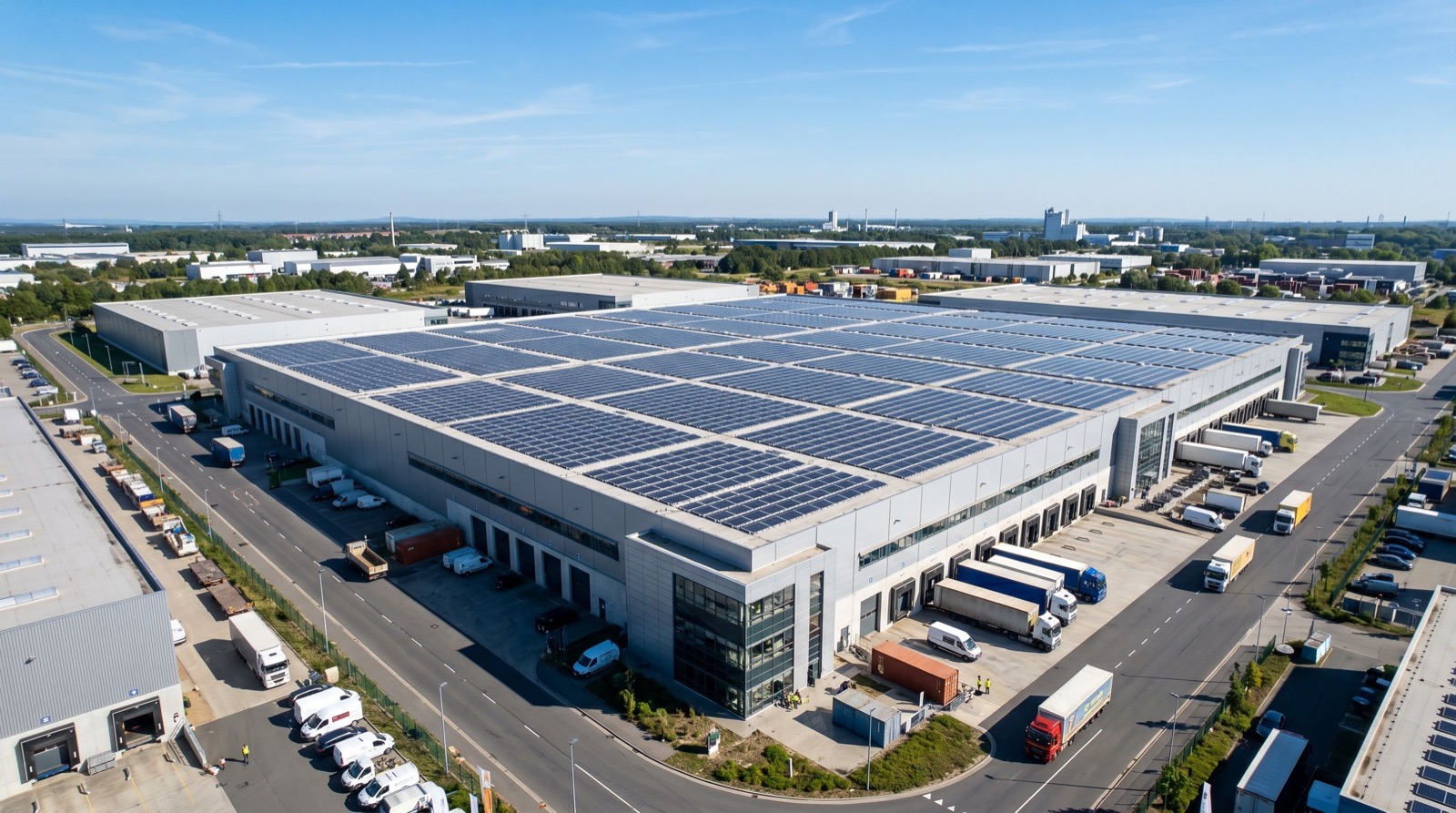
Large-scale solar projects in Pakistan have moved from ambition to everyday reality in 2026. Factories, warehouses, farms and commercial buildings are turning rooftops and vacant land into power plants that slash operating costs and hedge against volatile grid tariffs. If you manage a business facility, understanding how these projects are scoped, financed and executed is now a core commercial skill.
This guide focuses on the commercial and industrial side of solar, where the numbers are bigger, the payback is compelling, and the margin for error is smaller. Getting the design and partner right the first time is what separates a flagship success from a stranded asset.
Why Solar Projects in Pakistan Make Business Sense
The economics are hard to ignore. Commercial electricity tariffs have climbed steadily, while equipment costs have fallen. The International Renewable Energy Agency documents how utility and commercial solar has become one of the lowest-cost generation options globally, a trend detailed in its cost and capacity reports.
For a typical industrial rooftop, payback periods of three to four years are common in 2026, followed by two decades of near-free generation. That is why serious operators now benchmark documented solar projects in Pakistan before committing capital, using proven installations as a reference for realistic yields.
The Stages of a Commercial Solar Project
Unlike a simple home installation, commercial projects follow a structured lifecycle. Skipping a stage almost always creates problems later.
- Energy audit: Analyse consumption patterns, peak demand and tariff structure.
- Feasibility and design: Assess roof or land capacity, shading and structural loads.
- Financial modelling: Project savings, payback and financing options.
- Procurement: Source Tier-1 panels, robust inverters and mounting systems.
- Installation and commissioning: Build, test and connect the system safely.
- Monitoring and maintenance: Track performance and service equipment over its life.
Each stage demands specialist input. Partnering with a proven best solar company in Pakistan ensures the audit, design and execution align, so the finished plant delivers the yield the model promised.
Key Components for Industrial-Scale Solar
Commercial systems demand durability that residential kit does not. The table below highlights what matters at scale.
| Component | Commercial priority | 2026 standard |
|---|---|---|
| Panels | Low degradation, high wattage | 550W+ bifacial modules |
| Inverters | Three-phase, high efficiency | Central or string, 98%+ efficiency |
| Mounting | Wind and load resilience | Galvanised, engineered structures |
| Monitoring | Real-time fault detection | Cloud dashboards with alerts |
| Safety | Arc-fault and surge protection | Certified protective devices |
At industrial scale, monitoring is not optional. A single underperforming string can cost thousands over a year, and only real-time data catches it early.
How Long Do Commercial Solar Projects Take to Complete?
Timelines depend on size and approvals, but most commercial projects follow a predictable rhythm. A well-run 100kW rooftop installation typically completes within six to ten weeks, including design and net-metering approval.
Delays usually stem from paperwork, not construction. An experienced local team that knows the utility approval process can compress timelines significantly, keeping your project on schedule and your capital productive.
Net Metering and Regulatory Approvals
Commercial net metering lets businesses offset consumption and export surplus power, dramatically improving project economics. The National Electric Power Regulatory Authority governs these connections, and the rules for larger systems are published on the NEPRA website.
For three-phase commercial connections, documentation and inspection are more rigorous than for homes. A capable installer manages the entire submission, coordinates with your distribution company, and ensures the bidirectional meter is correctly configured, so approval does not become a bottleneck.
Site Assessment and Structural Readiness
Before a single panel is ordered, a commercial project lives or dies on the quality of its site assessment. Industrial roofs vary enormously, from ageing asbestos sheeting to modern standing-seam metal, and each demands a different mounting approach. A rigorous assessment checks load-bearing capacity, roof age, drainage and shading from adjacent structures across the full solar day.
Ground-mounted plants raise different questions. Soil conditions, flood risk and land orientation all influence yield and cost. In agricultural settings, elevated structures can even allow crops or livestock beneath the array, turning a single plot into a dual-use asset that generates power and preserves productivity.
Structural readiness also covers electrical infrastructure. Your existing switchgear, transformer capacity and cable runs must accommodate the new generation without creating bottlenecks or safety hazards. Identifying these constraints early prevents expensive surprises during commissioning and keeps the project timeline realistic from the outset.
Financing and ROI Considerations
Many businesses now fund solar through operating cash, bank financing or increasingly popular lease and power-purchase arrangements. Whatever the route, model your return on the cost per kilowatt-hour generated over 25 years, not the day-one capital outlay.
One field-tested insight: prioritise monitoring and maintenance contracts from day one. Commercial plants that are actively monitored consistently outperform neglected ones by five to ten percent annually. That margin alone often covers the service contract many times over, making it one of the smartest line items in your budget.
Frequently Asked Questions
What size are typical commercial solar projects in Pakistan?
Commercial systems commonly range from 25kW for small businesses to several megawatts for large factories. The right size depends on your consumption, available roof or land, and net-metering limits.
What is the payback period for a commercial solar project?
Most well-designed commercial projects in 2026 pay back within three to four years, thanks to high tariffs and falling equipment costs. After payback, the system generates near-free power for two more decades.
Can businesses use net metering for large systems?
Yes. NEPRA’s framework allows commercial and industrial net metering, though larger three-phase systems face more detailed inspection. An experienced installer handles the documentation to keep approval smooth.
How is a commercial project different from a home installation?
Commercial projects involve larger loads, three-phase power, engineered mounting for wind resilience, rigorous safety devices and real-time monitoring. The design and approval process is correspondingly more complex.
Conclusion and Next Steps
Solar projects in Pakistan offer businesses a rare combination of fast payback and long-term savings in 2026, but success hinges on disciplined design, quality components and an installer who manages the full lifecycle. Follow the staged process, insist on monitoring, and treat regulatory approval as a partner’s responsibility, not your headache.
Ready to explore what your facility could save? Commission an energy audit, review comparable project references, and request a detailed feasibility study. Start your commercial solar journey today and turn idle roof space into a decades-long asset.